
Application
Road Building
Grading and ditching buckets and rippers for roads and civil works.
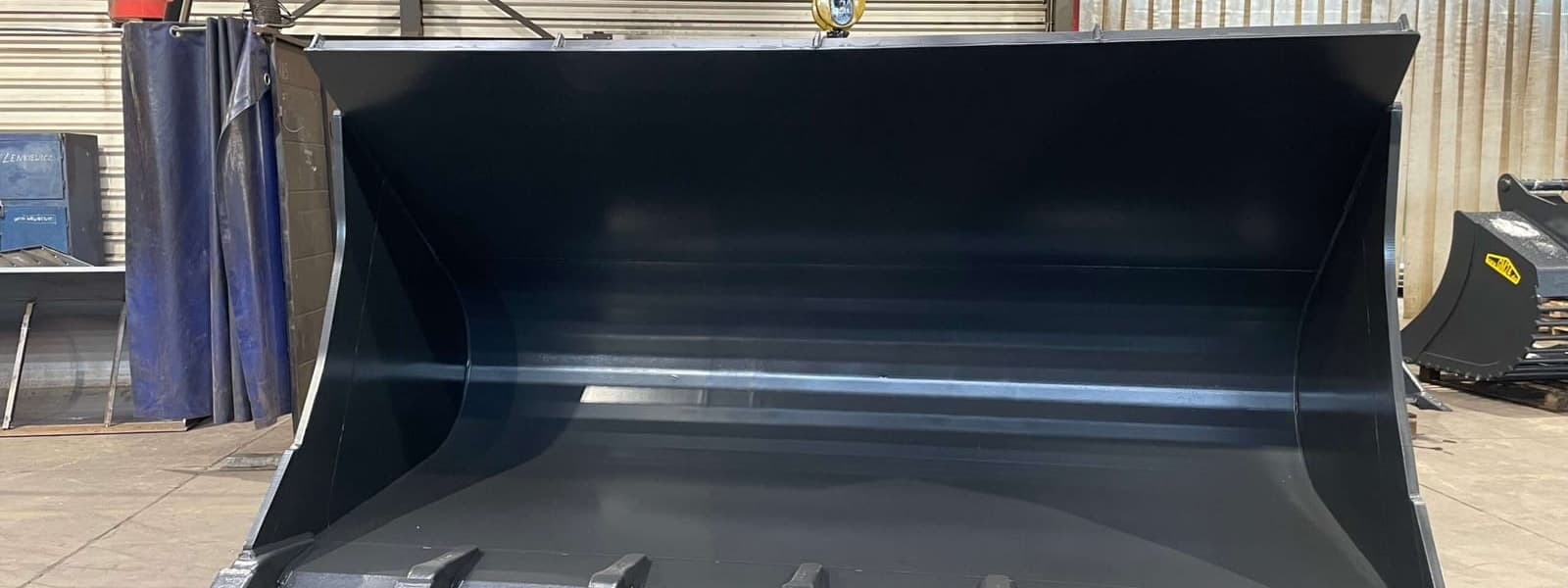
Recommended for this job
Each family here names this work in its own description and is a tool type the job calls for.
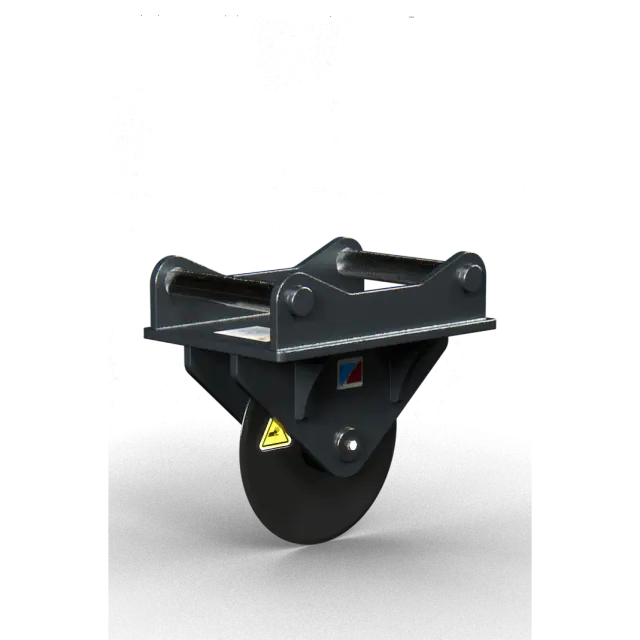
AC Excavator asphalt cutters
A 450 mm steel disc, symmetrical (ACs) or asymmetrical (ACa). It makes clean cuts in asphalt for road repairs, utility trenches and pavement and kerb work.

AC mini - asphalt cutter for mini-excavator
Asphalt cutter for mini-excavators. The 450 mm steel disc cuts asphalt for roadworks, repairs and utility trenches.
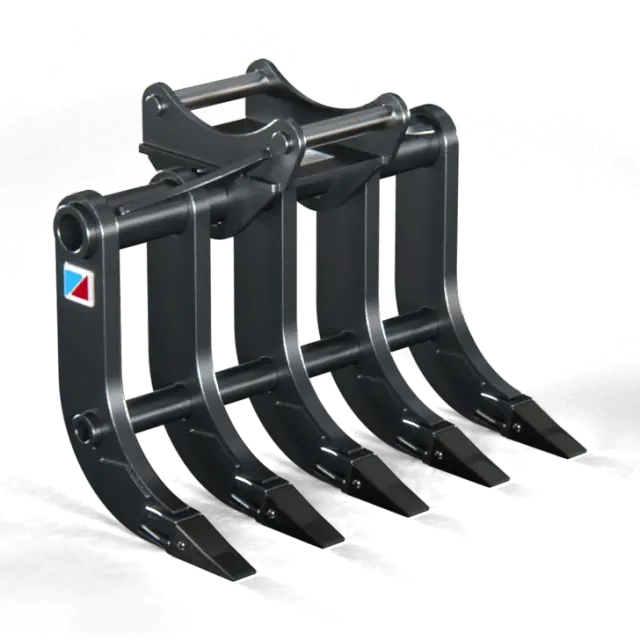
MR Heavy duty excavator multi-ripper
The MR multi-ripper enters the ground on several legs at once and breaks up and loosens compacted material.
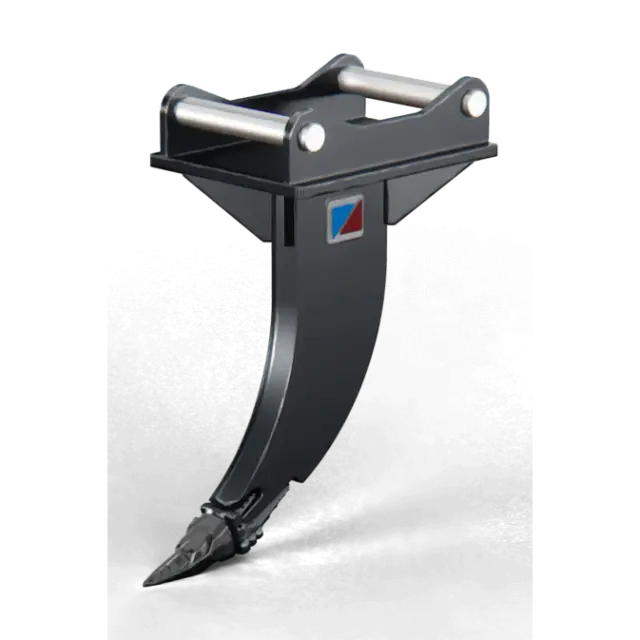
RIP mini - ripper shank for mini-excavator
Mini-excavator rippers break up hard ground before trenching and foundation work.
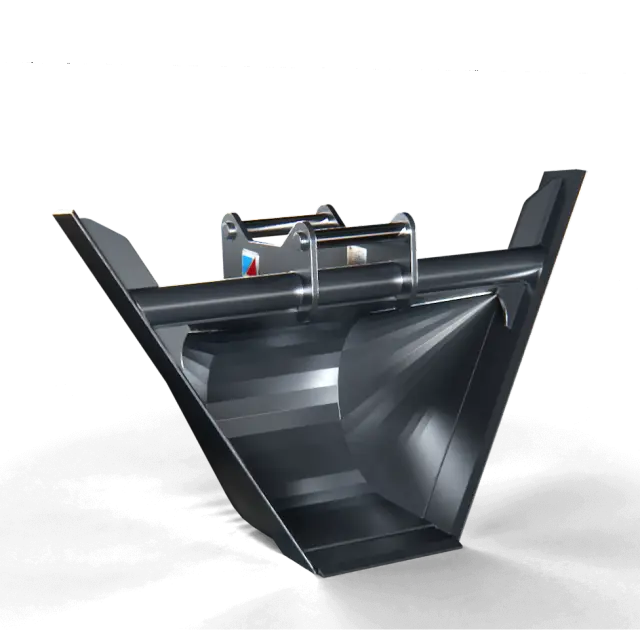
TR Trapezoid profile digging bucket
The sloped side walls form the ditch section in a single pass, so drainage channels and utility ditches need no follow-up trimming.
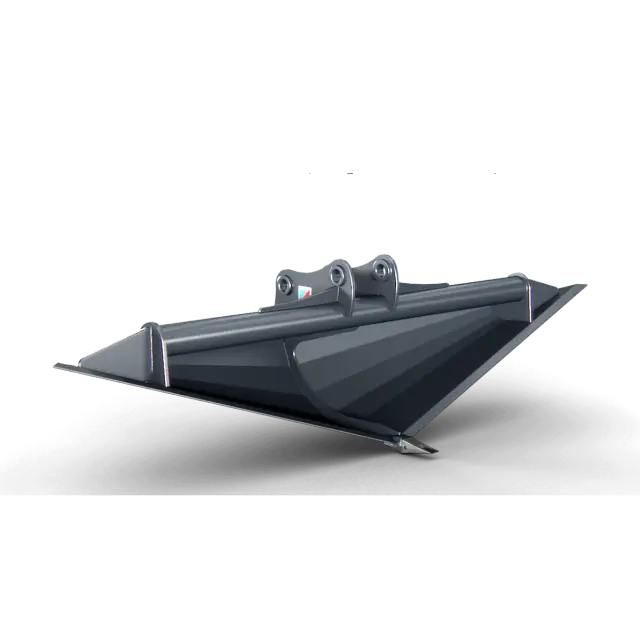
VB V-shape digging bucket
The bucket angle is made to your slope. It cuts a V-shaped ditch or slope in one pass for drainage channels, swales and road shoulders.
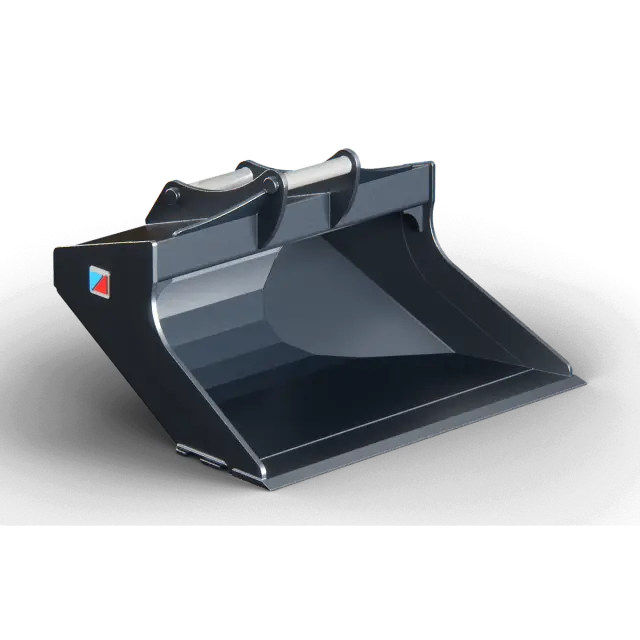
PS Scandinavian universal / grading bucket
A Scandinavian grading profile, used for grading and levelling.
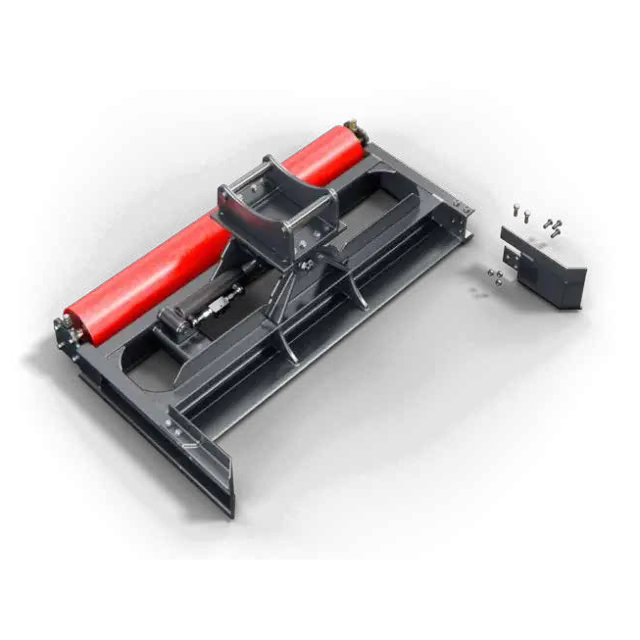
GRB Excavator grading beam
A grading beam for excavators up to 30 t. It levels large areas for driveways, roads and building sites.
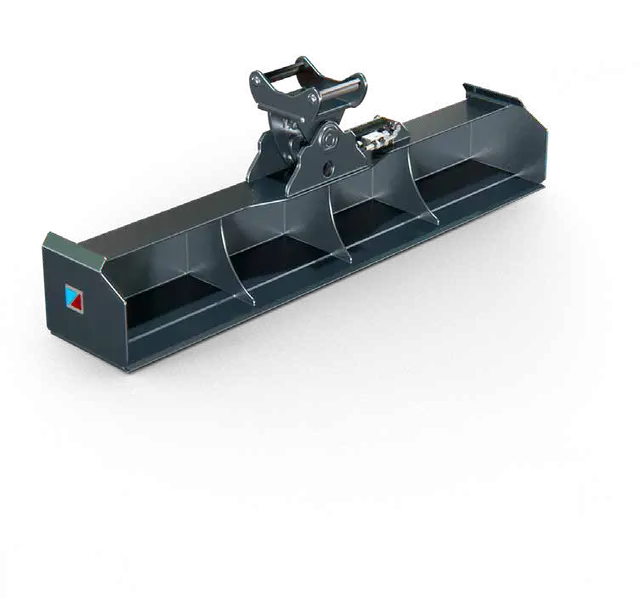
GRB light - mini-excavator grading beam with lowered mass
A grading beam for mini excavators from 0.6 to 7.0 t. It levels the ground for driveways, roads and building pads.
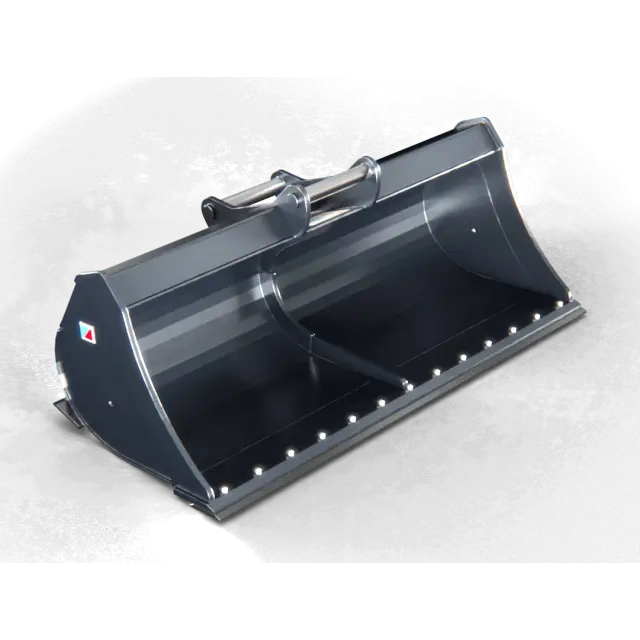
DCB Grading & ditching bucket with round profile
The round profile lets material flow out with little drag. Use it to grade surfaces and to dig and clean ditches.
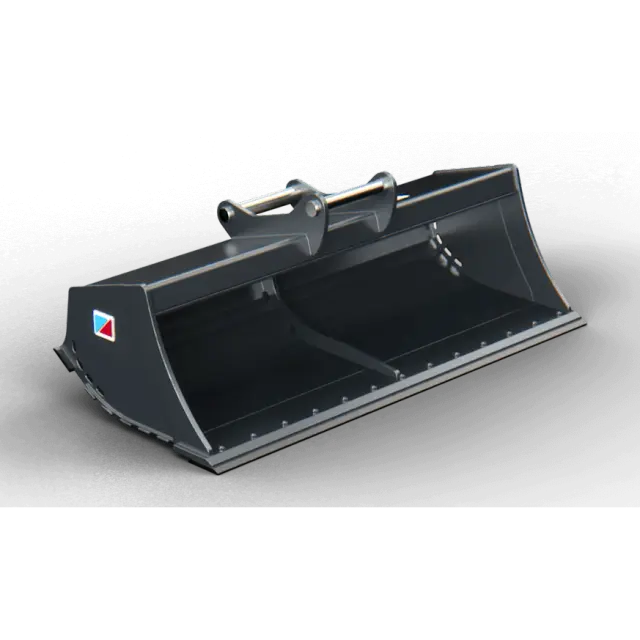
GD Rigid grading & ditching bucket, 12–40 t
The rigid body has no tilt joint, so there are no hoses or cylinders to connect. It is used to grade surfaces and clean ditches.
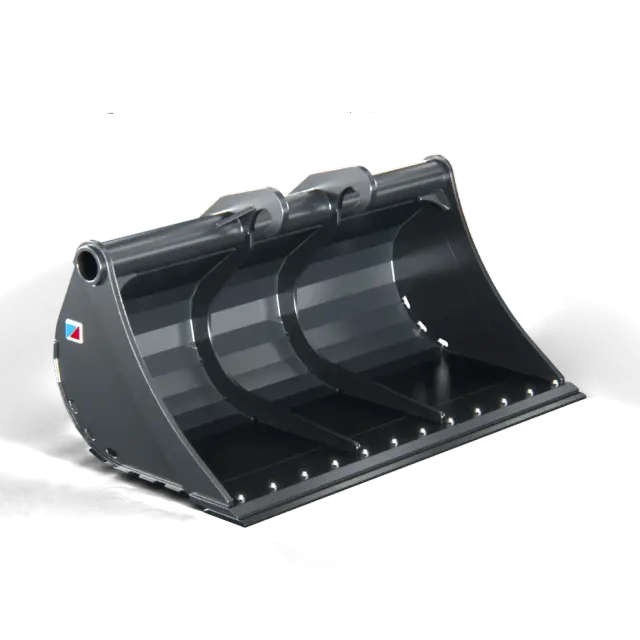
SB Dutch profile grading & ditching bucket
The Dutch profile has a wider opening, so sticky soil falls out. Use it for grading and ditch work in sticky soil.


Alternatives
These families also name this work in their own description, but they are another tool type or are made for another machine.
Ask for an engineering review first
Our catalogue data does not decide these cases. Send us the machine and the job before you order.
- Your machine weighs more than 40 t, the top of the weight ranges on this page.
- You want a hydraulic family (GBPH) and do not know the oil flow and pressure of your machine's auxiliary circuit.
- Your quick coupler or pin size is not listed on the family page.
How to choose
Work through these questions in order, from the old surface to the machine.
- 1
Is there asphalt to break out?
Cut the line before you break out. An asphalt cutter scores a straight edge for the repair to start from. The AC runs a 450 mm steel disc on a bearing assembly. It cuts 150 mm deep, and the depth is adjustable, so you set the cut to the thickness of the asphalt layer. The disc comes symmetrical (ACs) or asymmetrical (ACa). The AC mini does the same job from a mini excavator and also scores thin concrete.
- 2
Will a bucket get into the ground?
Compacted ground, frost, hard clay and old surfaces stop a bucket. Rip them first and load the loose material afterwards with an ordinary digging bucket. The MR has five legs, so one pass loosens a wider strip and leaves smaller pieces to load. The RIP is a single shank with a protector and a replaceable CAT point. On a mini excavator, the RIP mini opens compacted clay, stony fill, thin concrete and asphalt, and its narrow profile keeps the point in view when you rip beside a kerb or a pipe run.
- 3
Which ditch profile does the road need?
A profile bucket cuts the ditch section in one pass. The TR has sloped side walls and cuts a finished trapezoid drainage ditch with no follow-up trimming. The VB cuts a V-shaped ditch, with the angle of the V built to your slope, which is how road shoulders and swales are usually cut. To clean an existing ditch, the round DCB profile lets soil slide out, and the SB Dutch profile has a wider opening that empties sticky clay.
- 4
Do you grade slopes and banks?
A rigid bucket has no tilt joint, so the cutting edge stays fixed to the machine on level work: GD on larger excavators, GB on mini and midi excavators. For slopes, banks and uneven ground, a tilting bucket sets its angle hydraulically without moving the machine. The GDH tilts ±45° and the GBPH up to 45 degrees to each side, and on both a double pilot check valve holds the angle. The PS universal grading bucket has a Scandinavian profile, is used on road building sites and works on a tiltrotator.
- 5
Bucket or grading beam for the finish?
A grading beam holds a flatter surface than a grading bucket, because its long blade and the roller behind it both ride on the ground. The GRB Basic is rigid and has no roller. The Standard carries a roller, and its height sets how much material stays behind the edge. The hydraulic GRB tilts up to 45 degrees to each side, so you pull a crossfall without moving the machine. Side beams that extend by 250 mm and a mounting spot for a level measuring device are options. On mini excavators, the GRB light is wide and flat, so the edge stays in view.
- 6
Which machine carries it?
Match the tool to the machine: AC-18 on excavators from 12 to 18 t and AC-30 from 19 to 30 t, MR-17 to MR-32 from 11 to 32 t, Ripper-C to Ripper-H from 14 to 65 t, DCB-120 to DCB-400 and GDH-120 to GDH-400 from 10 to 40 t, GD-160 to GD-400 and SB-160 to SB-400 from 12 to 40 t, PS-160 to PS-300 from 12 to 30 t, GRB midi from 6 to 18 t and GRB maxi from 10 to 30 t. On mini and midi excavators: GB-10 to GB-90 from 0.6 to 10 t, GBPH-20 to GBPH-95 from 1.2 to 10 t, GRB light from 0.6 to 7 t. Ask us for the TR and VB that fit your machine.
Attachments by job
Road work runs in order: open the surface, loosen the ground, cut the drainage, grade.
Old asphalt to break out
An asphalt cutter scores the line first, so the repair has a straight edge.
Compacted ground and old surfaces
The MR loosens a wide strip with five legs in one pass. On a mini excavator, the RIP mini opens compacted clay, stony fill, thin concrete and asphalt.
Roadside drainage and shoulders
The TR cuts a trapezoid drainage ditch in one pass. The VB cuts the V-profile used for road shoulders.
Grading and levelling
The PS grading bucket is used on road building sites. A GRB grading beam holds a flatter surface over a wide strip.
Need a price for Road Building attachments?
Tell us the machine and the attachment you need. We usually reply within 1 working day.