
Rippers break hard ground and rock, rakes pull out roots, brush and stones. Models for mini to 65 t excavators.
The whole range: Excavator tools
Families
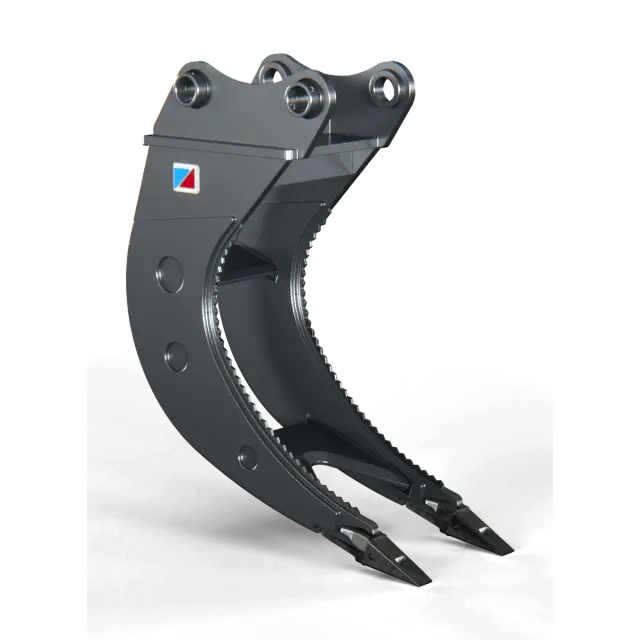
DuoRIP - double ripper for root extraction
Two shanks go deep into the ground at once. It rips out root systems, large roots and stumps when land is cleared for a site.
- We usually reply within 1 working day
- We check the fit before we send the quote
- Every offer names the dispatch week
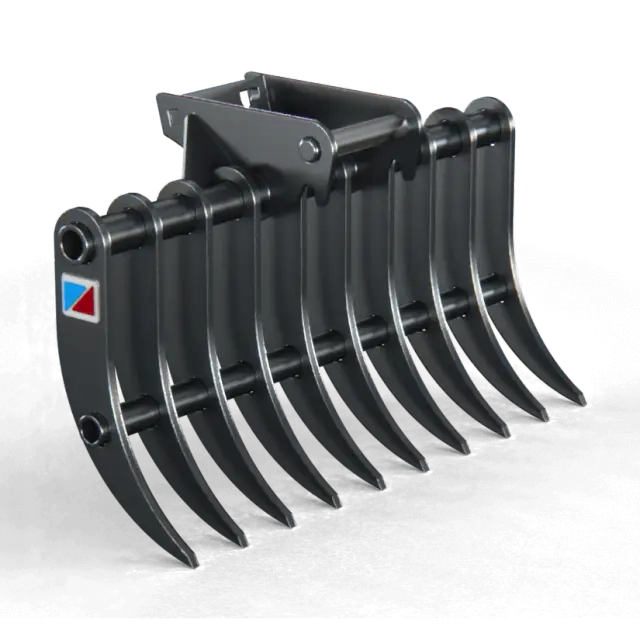
LR mini - straight land rakes for mini-excavator
Tines instead of a solid shell pull out roots, brush and stones while the soil falls back through. A plot is cleared before levelling without carting away the topsoil.
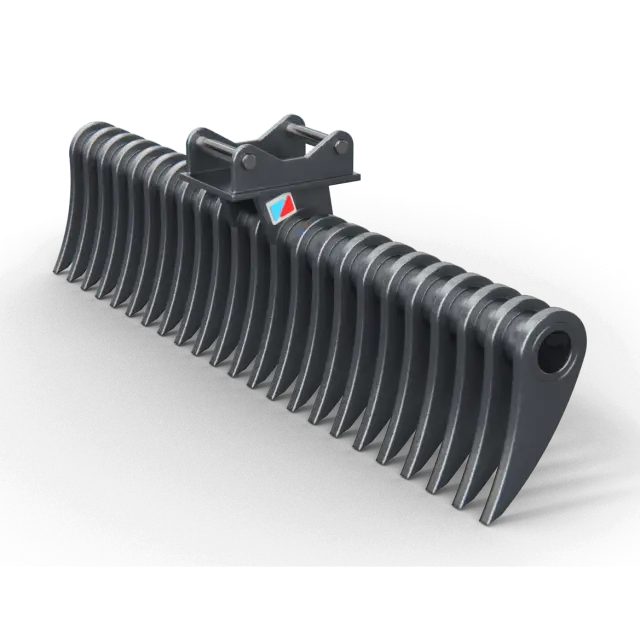
LRS Short land rakes for mini-excavators
A shorter, narrower land rake for small machines working in tight plots and along boundaries. It pulls out roots and stones and lets the soil fall through.
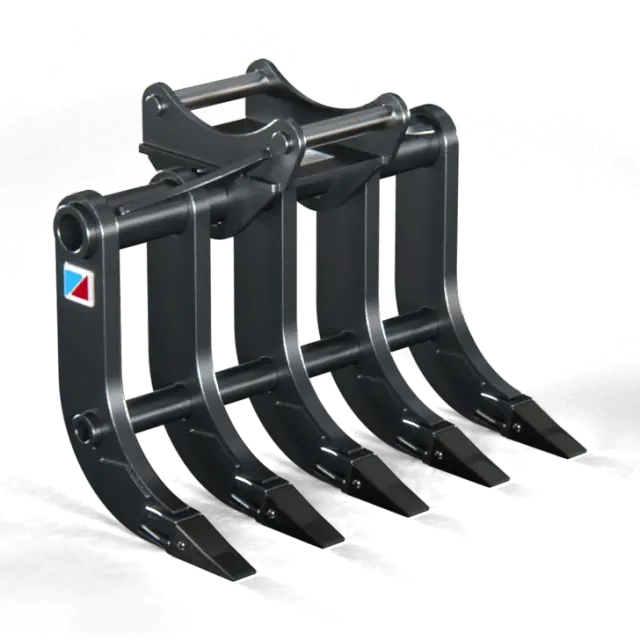
MR Heavy duty excavator multi-ripper
The MR multi-ripper enters the ground on several legs at once and breaks up and loosens compacted material.
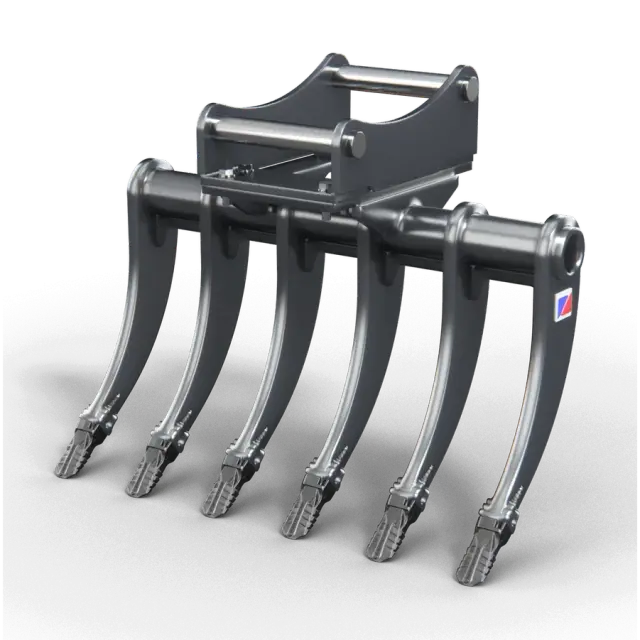
MR mini - multi-ripper for mini-excavator
Multi-rippers for mini-excavators break up hard soil and debris when you prepare a site.
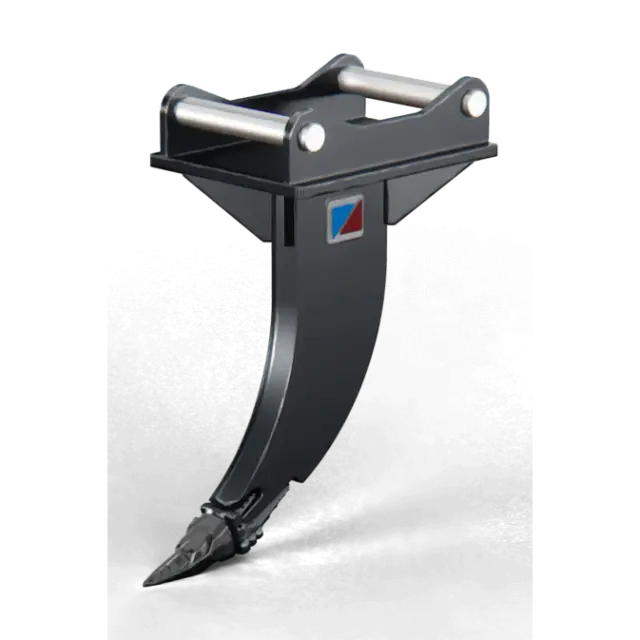
RIP mini - ripper shank for mini-excavator
Mini-excavator rippers break up hard ground before trenching and foundation work.
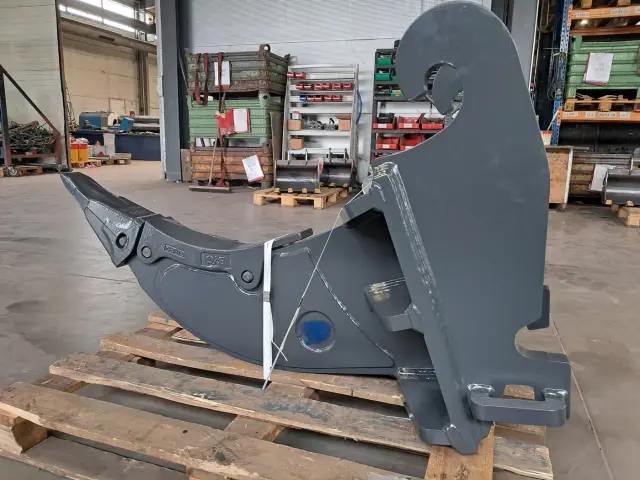
RIP Heavy duty ripper
A single shank made of high-strength steel, with a protector over the shank. It breaks up hard soil, rock and frozen ground, so the material can then be loaded with an ordinary digging bucket.
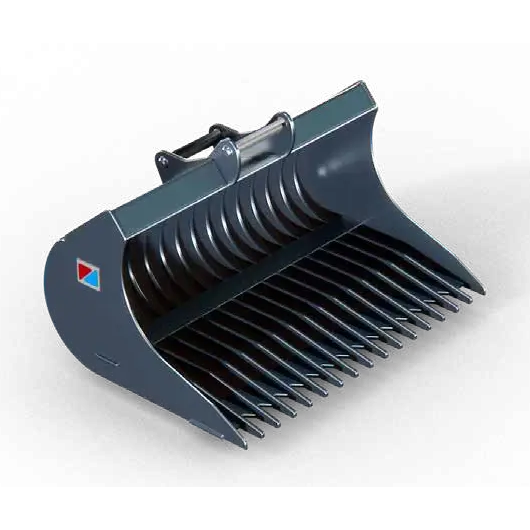
RRB Root rake bucket profile
Tines set in a bucket-shaped frame rake out roots and stones, then carry and dump what they collect. Clearing and loading are done in the same pass.
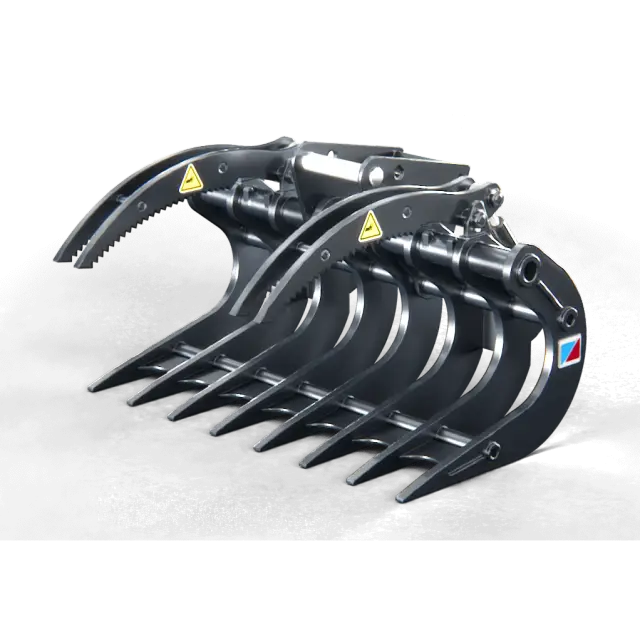
RRH Root rake with hydraulic clamp
A root rake with a hydraulic top clamp: it pulls out roots and holds them against the tines.
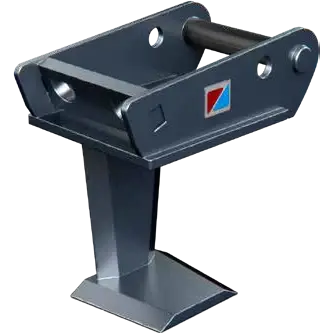
RC Root cutter
Three sizes, from 13 to 47 kg, each fitting the quick-coupler brackets in its table. It cuts roots on excavators from 0.6 to 10 t.


Which one should I choose?
| DuoRIP - double ripper for root extraction | LR mini - straight land rakes for mini-excavator | LRS - short land rakes for mini-excavators | MR - heavy duty excavator multi-ripper | MR mini - multi-ripper for mini-excavator | RIP mini - ripper shank for mini-excavator | RIP - heavy duty ripper | RRB - root rake bucket profile | RC - root cutter | |
|---|---|---|---|---|---|---|---|---|---|
| Machine class | 2.5–30 tons | 0.7–10 tons | 0.7–15 tons | 11–32 tons | 1.2–14 tons | 0.8–14 tons | 14–65 tons | 0.6–9 tons | 0.6–10 tons |
| Width [mm] | 365–500 | 1,000–1,400 | 665–1,980 | 1,300 | 400–1,200 | – | – | 900–1,500 | 170–250 |
| Weight [kg] | 102–565 | 56–300 | 48–380 | 415–994 | 36–228 | 21–221 | 280–684 | 80–233 | 13–47 |
| Body | – | – | – | – | – | Hardox®, S355 | – | – | – |
| Tooth systems | J200, V13, V17, U20, J250, V19, J300, V23, U25 | – | – | J250, V19, U20, J300, V29, U30, J350, V33, U35, J400, V39, U40 | E701, J200 | V13, V19, V23 | 9W-2451 | – | – |
| Couplers | S40–S70 · MS03–MS21 · CW05–CW40 · OQ40–OQ70 | S30–S50 · MS01–MS08 · CW05–CW10 · OQ40–OQ45 · Klac C–F | S30–S60 · MS01–MS10 · CW00–CW20 · OQ40–OQ45 · Klac C–F | S60–S70 · MS10–MS25 · CW20–CW45 · OQ60–OQ70 | S30–S60 · MS01–MS10 · CW00–CW20 · OQ40–OQ60 · Klac C–F | S30–S60 · MS01–MS10 · CW00–CW20 · OQ40–OQ60 · Klac C–F | S60–S90 · MS10–MS25 · CW20–CW55 · OQ65–OQ90 | S30–S50 · MS01–MS08 · CW05–CW10 · OQ40–OQ45 · Klac C–F | S30–S50 · MS01–MS08 · CW05–CW10 · Klac D–F |
| Request a quote: DuoRIP - double ripper for root extraction | Request a quote: LR mini - straight land rakes for mini-excavator | Request a quote: LRS - short land rakes for mini-excavators | Request a quote: MR - heavy duty excavator multi-ripper | Request a quote: MR mini - multi-ripper for mini-excavator | Request a quote: RIP mini - ripper shank for mini-excavator | Request a quote: RIP - heavy duty ripper | Request a quote: RRB - root rake bucket profile | Request a quote: RC - root cutter |
→ Scroll the table sideways to see every column.
How to choose (28)
- Choose DuoRIP, the double ripper, when two shanks should go deep and rip out root systems, large roots and stumps as land is cleared for a site. Choose LR mini, the straight land rake, to pull out roots, brush and stones while the soil falls back through, so a plot is cleared before levelling without carting away the topsoil.
- Choose DuoRIP, the double ripper, when two shanks should go deep and rip out root systems, large roots and stumps as land is cleared for a site. Choose LRS, the short, narrower land rake, for small machines in tight plots and along boundaries.
- Choose DuoRIP, the double ripper, when two shanks should go deep and rip out root systems, large roots and stumps as land is cleared for a site. Choose MR, the multi-ripper with five legs for 11 to 32 t machines, to loosen a wider strip of frozen ground, hard layers or compacted clay in one pass.
- Choose DuoRIP, the double ripper, when two shanks should go deep and rip out root systems, large roots and stumps as land is cleared for a site. Choose MR mini, the multi-ripper for mini excavators, when several tines should break compacted ground, a frost layer or root mats in one pass, ahead of the bucket.
- Choose DuoRIP, the double ripper, when two shanks should go deep and rip out root systems, large roots and stumps as land is cleared for a site. Choose RIP mini, the ripper for mini excavators, to open frozen ground, compacted clay, stony fill, thin concrete or asphalt, with a narrow profile that keeps the working point in view beside a kerb, a pipe run or a wall.
- Choose DuoRIP, the double ripper, when two shanks should go deep and rip out root systems, large roots and stumps as land is cleared for a site. Choose RIP, the single shank ripper for 14 to 65 t machines, to open compacted soil, frost, hard clay, soft rock and old surfaces, then load the material with an ordinary digging bucket.
- Choose DuoRIP, the double ripper, when two shanks should go deep and rip out root systems, large roots and stumps as land is cleared for a site. Choose RRB, the root rake in a bucket profile, when clearing and loading are the same job: it rakes out roots and stones, then carries and dumps what it collects.
- Choose DuoRIP, the double ripper, when two shanks should go deep and rip out root systems, large roots and stumps as land is cleared for a site. Choose RC, the root cutter, when a single root should be cut off with its narrow 170 to 250 mm blade instead of torn out with the soil.
- Both are land rakes that pull out roots and stones and let the soil fall through. Choose LR mini, the straight rake, to clear a plot before levelling without carting away the topsoil. Choose LRS, the short, narrower version, for small machines in tight plots and along boundaries.
- Choose LR mini, the straight land rake, to pull out roots, brush and stones while the soil falls back through, so a plot is cleared before levelling without carting away the topsoil. Choose MR mini, the multi-ripper for mini excavators, when several tines should break compacted ground, a frost layer or root mats in one pass, ahead of the bucket.
- Choose LR mini, the straight land rake, to pull out roots, brush and stones while the soil falls back through, so a plot is cleared before levelling without carting away the topsoil. Choose RIP mini, the ripper for mini excavators, to open frozen ground, compacted clay, stony fill, thin concrete or asphalt, with a narrow profile that keeps the working point in view beside a kerb, a pipe run or a wall.
- Choose LR mini, the straight land rake, to pull out roots, brush and stones while the soil falls back through, so a plot is cleared before levelling without carting away the topsoil. Choose RRB, the root rake in a bucket profile, when clearing and loading are the same job: it rakes out roots and stones, then carries and dumps what it collects.
- Choose LR mini, the straight land rake, to pull out roots, brush and stones while the soil falls back through, so a plot is cleared before levelling without carting away the topsoil. Choose RC, the root cutter, when a single root should be cut off with its narrow 170 to 250 mm blade instead of torn out with the soil.
- Choose LRS, the short, narrower land rake, for small machines in tight plots and along boundaries. Choose MR, the multi-ripper with five legs for 11 to 32 t machines, to loosen a wider strip of frozen ground, hard layers or compacted clay in one pass.
- Choose LRS, the short, narrower land rake, for small machines in tight plots and along boundaries. Choose MR mini, the multi-ripper for mini excavators, when several tines should break compacted ground, a frost layer or root mats in one pass, ahead of the bucket.
- Choose LRS, the short, narrower land rake, for small machines in tight plots and along boundaries. Choose RIP mini, the ripper for mini excavators, to open frozen ground, compacted clay, stony fill, thin concrete or asphalt, with a narrow profile that keeps the working point in view beside a kerb, a pipe run or a wall.
- Choose LRS, the short, narrower land rake, for small machines in tight plots and along boundaries. Choose RIP, the single shank ripper for 14 to 65 t machines, to open compacted soil, frost, hard clay, soft rock and old surfaces, then load the material with an ordinary digging bucket.
- Choose LRS, the short, narrower land rake, for small machines in tight plots and along boundaries. Choose RRB, the root rake in a bucket profile, when clearing and loading are the same job: it rakes out roots and stones, then carries and dumps what it collects.
- Choose LRS, the short, narrower land rake, for small machines in tight plots and along boundaries. Choose RC, the root cutter, when a single root should be cut off with its narrow 170 to 250 mm blade instead of torn out with the soil.
- Choose MR, the multi-ripper with five legs for 11 to 32 t machines, to loosen a wider strip of frozen ground, hard layers or compacted clay in one pass. Choose MR mini, the multi-ripper for mini excavators, when several tines should break compacted ground, a frost layer or root mats in one pass, ahead of the bucket.
- Choose MR, the multi-ripper with five legs for 11 to 32 t machines, to loosen a wider strip of frozen ground, hard layers or compacted clay in one pass. Choose RIP mini, the ripper for mini excavators, to open frozen ground, compacted clay, stony fill, thin concrete or asphalt, with a narrow profile that keeps the working point in view beside a kerb, a pipe run or a wall.
- Both open hard ground. Choose RIP, the single shank ripper for 14 to 65 t machines, for the hardest layer, since one point goes deepest. Choose MR, five legs for 11 to 32 t machines, when one pass should loosen a wider strip and leave smaller pieces to load.
- Both are rippers for mini excavators. Choose RIP mini, a single ripper with a replaceable tip, to open frozen ground, compacted clay or stony fill beside a kerb, a pipe run or a wall. Choose MR mini when several tines should break the ground in one pass, where a single tooth would only cut a slot.
- Choose MR mini, the multi-ripper for mini excavators, when several tines should break compacted ground, a frost layer or root mats in one pass, ahead of the bucket. Choose RRB, the root rake in a bucket profile, when clearing and loading are the same job: it rakes out roots and stones, then carries and dumps what it collects.
- Choose MR mini, the multi-ripper for mini excavators, when several tines should break compacted ground, a frost layer or root mats in one pass, ahead of the bucket. Choose RC, the root cutter, when a single root should be cut off with its narrow 170 to 250 mm blade instead of torn out with the soil.
- Choose RIP mini, the ripper for mini excavators, to open frozen ground, compacted clay, stony fill, thin concrete or asphalt, with a narrow profile that keeps the working point in view beside a kerb, a pipe run or a wall. Choose RRB, the root rake in a bucket profile, when clearing and loading are the same job: it rakes out roots and stones, then carries and dumps what it collects.
- Choose RC, the root cutter, when a single root should be cut off with its narrow 170 to 250 mm blade instead of torn out with the soil. Choose RIP mini, the ripper for mini excavators, to open frozen ground, compacted clay, stony fill, thin concrete or asphalt, with a narrow profile that keeps the working point in view beside a kerb, a pipe run or a wall.
- Choose RC, the root cutter, when a single root should be cut off with its narrow 170 to 250 mm blade instead of torn out with the soil. Choose RRB, the root rake in a bucket profile, when clearing and loading are the same job: it rakes out roots and stones, then carries and dumps what it collects.
Rippers & rakes: facts from the catalogue
Rippers & rakes: 10 families on this page, 47 sizes in all, for machines from 0.6 to 65 t.
- DuoRIP - double ripper for root extraction: 4 sizes, for machines from 2.5 to 30 t, 365–500 mm wide, 102–565 kg, teeth: J200, V13, V17, U20, J250, V19, J300, V23, U25.
- LR mini - straight land rakes for mini-excavator: 12 sizes, for machines from 0.7 to 10 t, 1,000–1,400 mm wide, 56–300 kg.
- LRS - short land rakes for mini-excavators: 5 sizes, for machines from 0.7 to 15 t, 665–1,980 mm wide, 48–380 kg.
- MR - heavy duty excavator multi-ripper: 4 sizes, for machines from 11 to 32 t, 1,300 mm wide, 415–994 kg, teeth: J250, V19, U20, J300, V29, U30, J350, V33, U35, J400, V39, U40.
- MR mini - multi-ripper for mini-excavator: 7 sizes, for machines from 1.2 to 14 t, 400–1,200 mm wide, 36–228 kg, teeth: E701, J200.
- RIP mini - ripper shank for mini-excavator: 4 sizes, for machines from 0.8 to 14 t, 21–221 kg, teeth: V13, V19, V23.
- RIP - heavy duty ripper: 4 sizes, for machines from 14 to 65 t, 280–684 kg, teeth: 9W-2451.
- RRB - root rake bucket profile: 4 sizes, for machines from 0.6 to 9 t, 900–1,500 mm wide, 80–233 kg.
- RC - root cutter: 3 sizes, for machines from 0.6 to 10 t, 170–250 mm wide, 13–47 kg.
- Rippers & rakes: RRB - root rake bucket profile starts at the lightest machines, from 0.6 t, and RIP - heavy duty ripper goes up to 65 t.
- Rippers & rakes: widths from 170 mm (RC - root cutter) to 1,980 mm (LRS - short land rakes for mini-excavators).
How to choose
Rippers and rakes open ground and pull things out of it, which is the work a bucket cannot do. A ripper puts the whole force of the machine on one point or a few points, so it enters frozen soil, compacted clay, stony fill, soft rock and old surfaces, breaks the layer up, and leaves the material to be loaded afterwards with an ordinary digging bucket. A rake does the opposite: tines instead of a shell, so roots, brush and stones come out while the soil falls through and stays on the plot. The range covers both ends of the carrier list. RIP mini, MR mini, LR mini and LRS work on mini excavators. RIP is the single shank ripper for 14 to 65 t machines and MR is the five leg multi-ripper for 11 to 32 t. DuoRIP pulls stumps and root systems with two shanks. RRB rakes in a bucket profile and can carry what it collects, RRH adds a hydraulic clamp, and RC cuts single roots with a narrow blade.
- 1
Ripper or rake
Ask what has to leave the ground. A ripper breaks a layer so it can be dug or loaded. A rake separates roots and stones from the soil and leaves the soil behind. Clearing a plot before levelling is rake work, opening frost or hard clay is ripper work.
- 2
One point or several
A single shank goes deepest and is the tool for the hardest layer. A multi-ripper puts five legs in the ground at once, so one pass loosens a wider strip and leaves smaller pieces. On a frost layer or compacted fill the multi-ripper is usually faster.
- 3
- 4
Questions we are asked
- Which tool opens frozen ground?
A ripper. RIP mini is the one for mini excavators, RIP for a single deep line on a large machine, and MR when a wide strip has to be loosened in one pass rather than a single slot cut.
- Can I clear roots without losing the topsoil?
That is what a rake does. LR mini and LRS pull roots, brush and stones out while the soil falls back through the tines, so the good material stays on the plot instead of being carted away in a bucket.
- What handles stumps?
DuoRIP. Two shanks go deep and lift the root system out, in four sizes for machines from 2.5 to 30 t. Where a single root has to be cut instead, RC uses a narrow 170 to 250 mm blade so the force lands on a short edge.
Who builds these
- Designed and built in Ostrołęka, Poland, in our own factory.